Academics / Grade R – Grade 7

CAPS, taught with chalk, patience and the occasional borrowed projector.

We follow the National Curriculum and Assessment Policy Statement to the letter. Within it, we teach in two languages, mark with kindness, and report to caregivers four times a year — never just by a number.

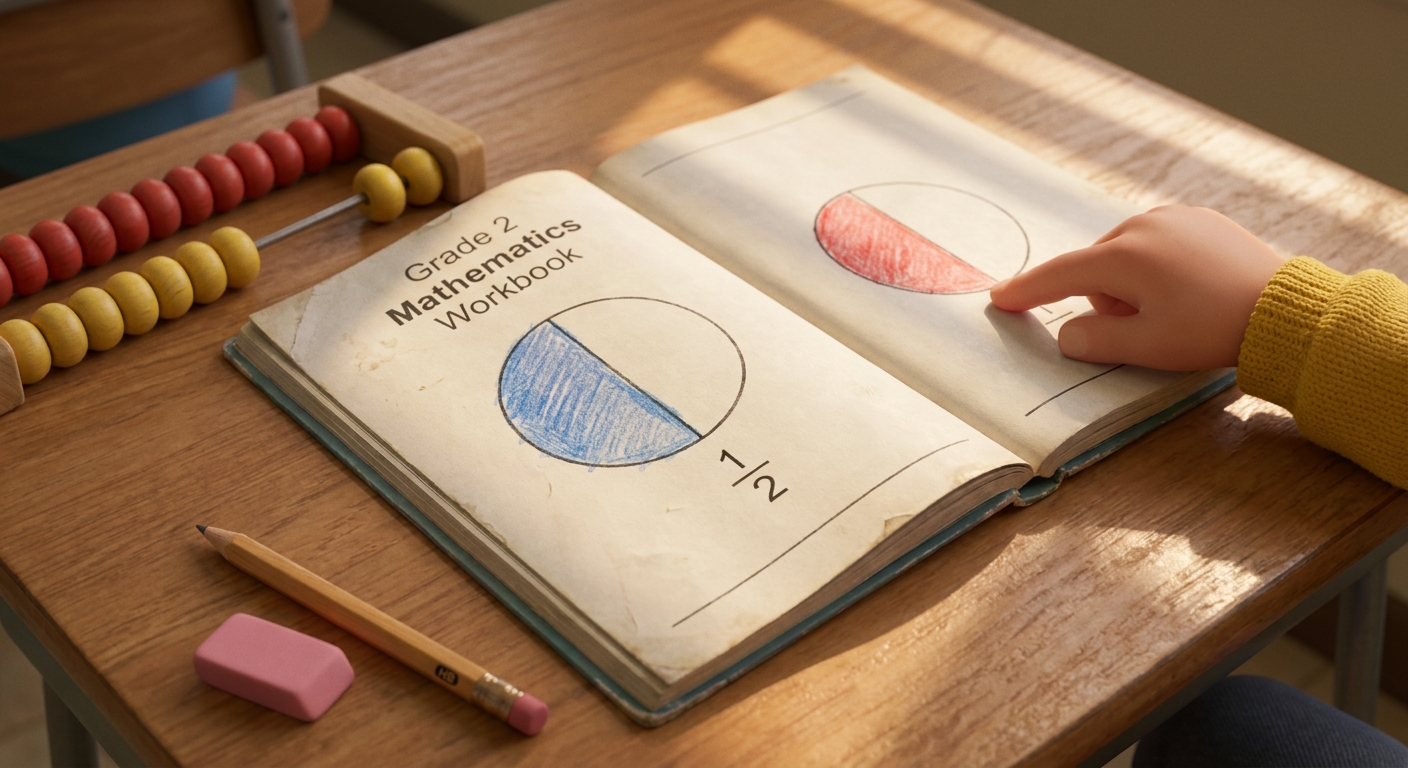
Maths workbooks open on a wooden desk, colourful counters arranged for a Grade 2 fractions lesson
Curriculum

Six CAPS subjects, taught with two languages and one careful eye.

Foundation Phase (Grade R–3) covers Home Language, First Additional Language, Mathematics and Life Skills. Intermediate Phase (Grade 4–6) and Grade 7 add Natural Sciences, Social Sciences and Technology.

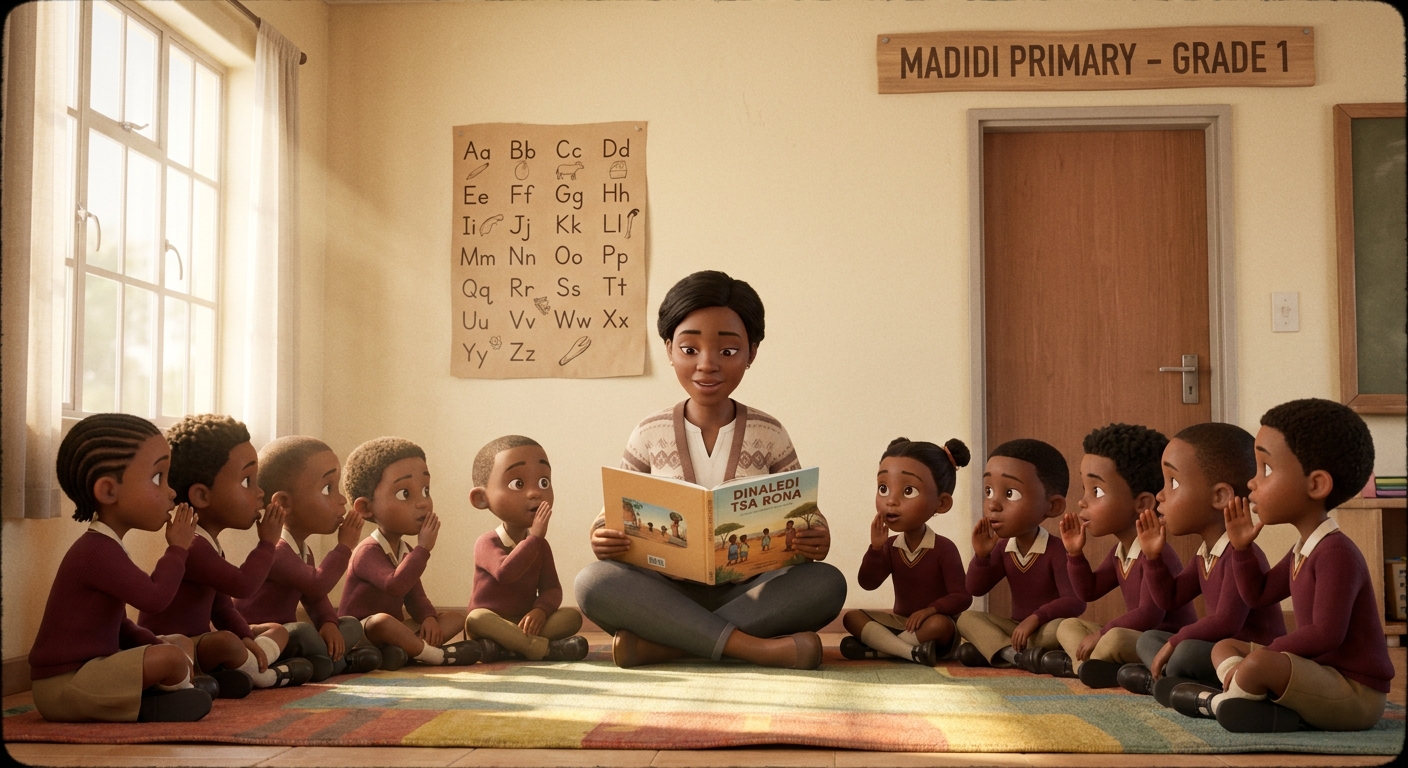
A Grade 1 class reading aloud from a Setswana big book together with their teacher

Setswana Home Language

To read, write and reason in the language we use at home — without losing it as we add new ones.

Foundation Phase classes open every morning with ten minutes of shared reading from a big book on the easel — an old kanga draped over the lectern when the easel is in use elsewhere. Decoding work is paced to the CAPS phonics sequence, but proverbs, riddles and praise poetry are pinned to the wall from week one so the language is felt as living, not classroom-only. By Grade 3, every learner keeps a personal ‘dipale’ notebook of family stories collected from grandparents over the holidays.

Method
Phonics + shared big-book reading
Project
Family Story Day every June
Assessment
Oral reading + portfolio
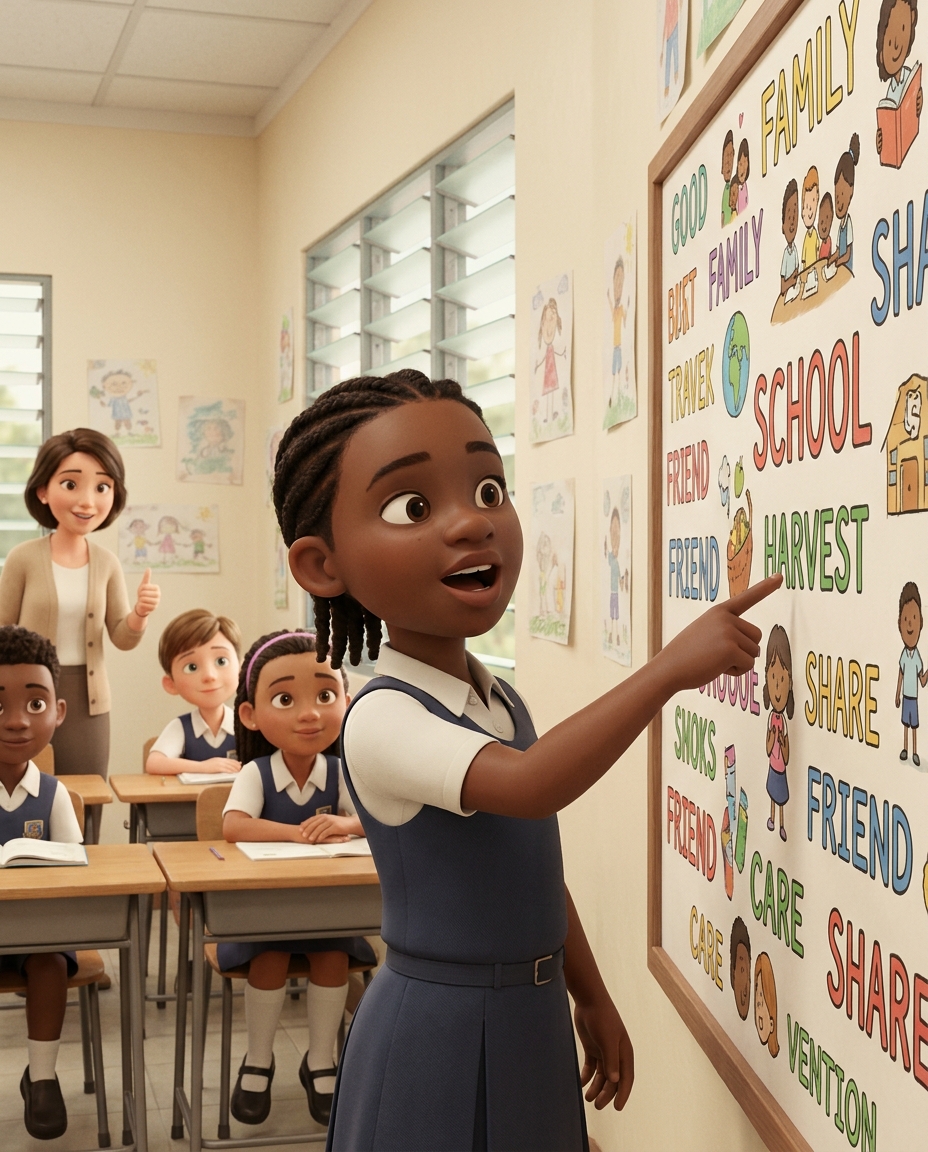
A Grade 4 learner pointing to a word on the wordwall during English First Additional Language

English First Additional Language

To meet the language of the workbook with confidence — not fear.

Method
Game-based + paired reading
Project
Reading Buddies with Gr 7
Assessment
Listening + speaking + writing
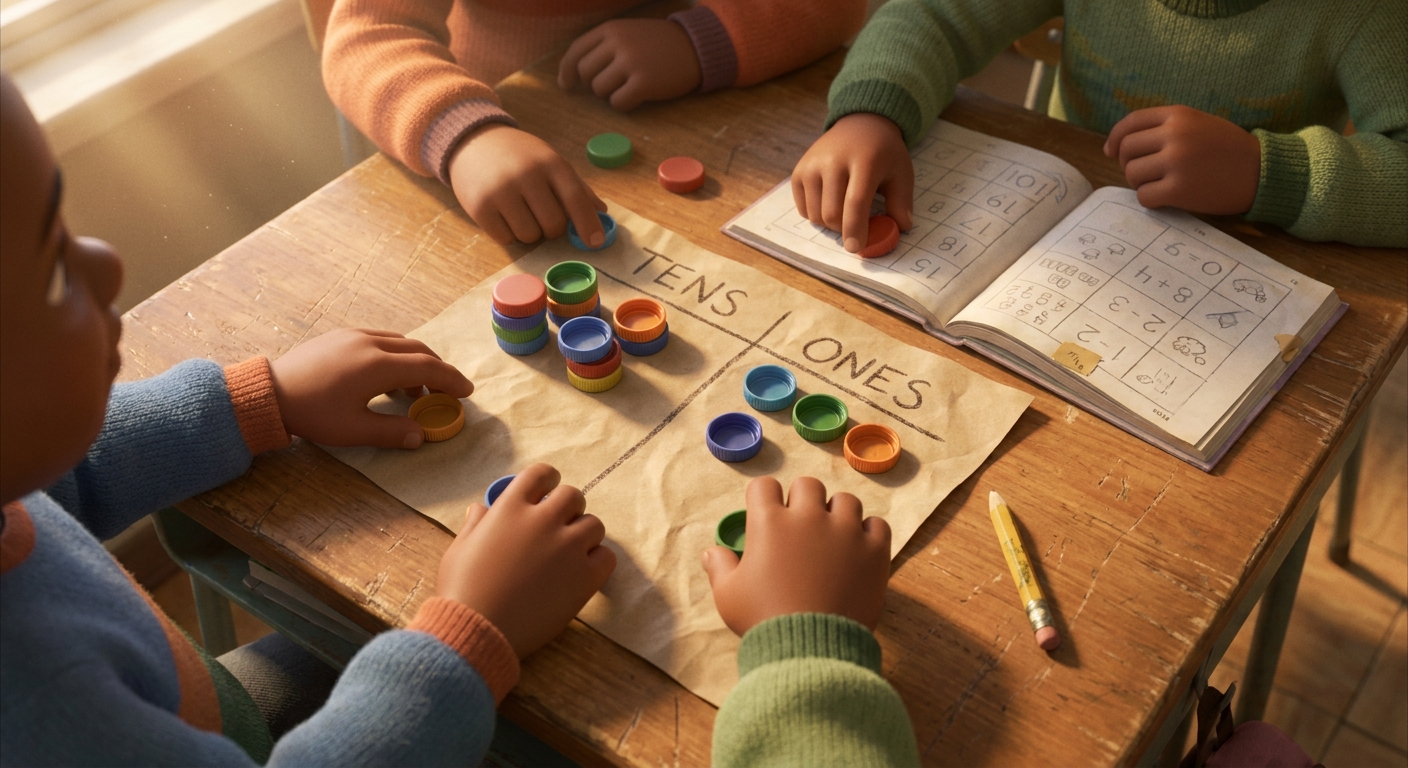
Hands-on counters and bottle-cap manipulatives for a Grade 2 maths place-value lesson

Mathematics

To see the maths already living inside taxi fares, spinach beds and netball scores.

Every lesson begins with a five-minute mental-maths starter on the chalkboard — number bonds in Foundation Phase, times tables and rounding from Grade 4 up. New concepts are introduced with bottle caps, sticks and bean counters before any symbol touches the page, then drawn, then written. We re-teach the same idea three different ways before we mark anyone behind, because in our experience confusion is almost always a translation problem, not a thinking one.

Method
Concrete → Pictorial → Abstract
Project
Tuck-shop Maths in Term 3
Assessment
ANA-style + open-question
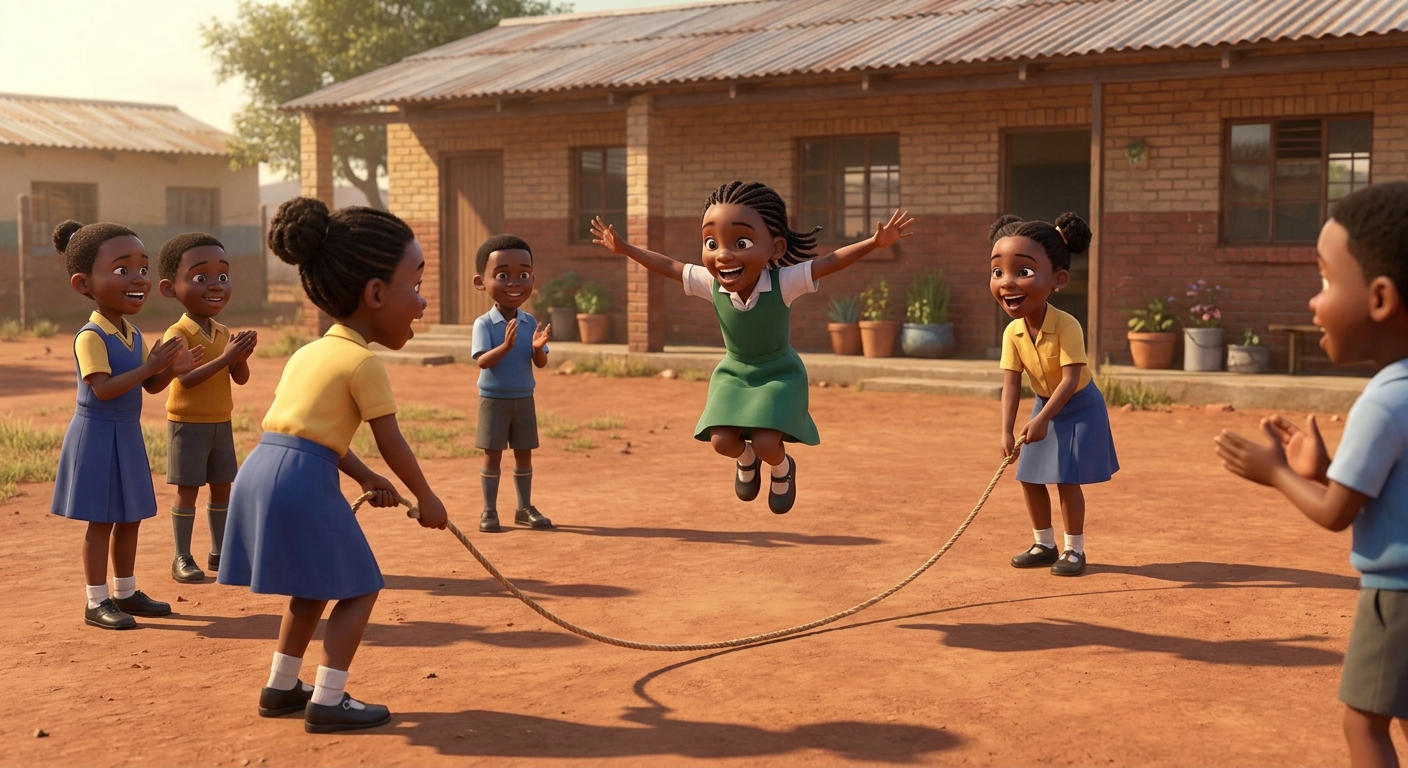
Children skipping rope on the dusty playground during Life Skills physical education

Life Skills

To be a kind body, a curious mind, and a careful citizen on a busy taxi route.

Method
Movement + circle time
Project
Road Safety Day with SAPS
Assessment
Observation + reflective draws
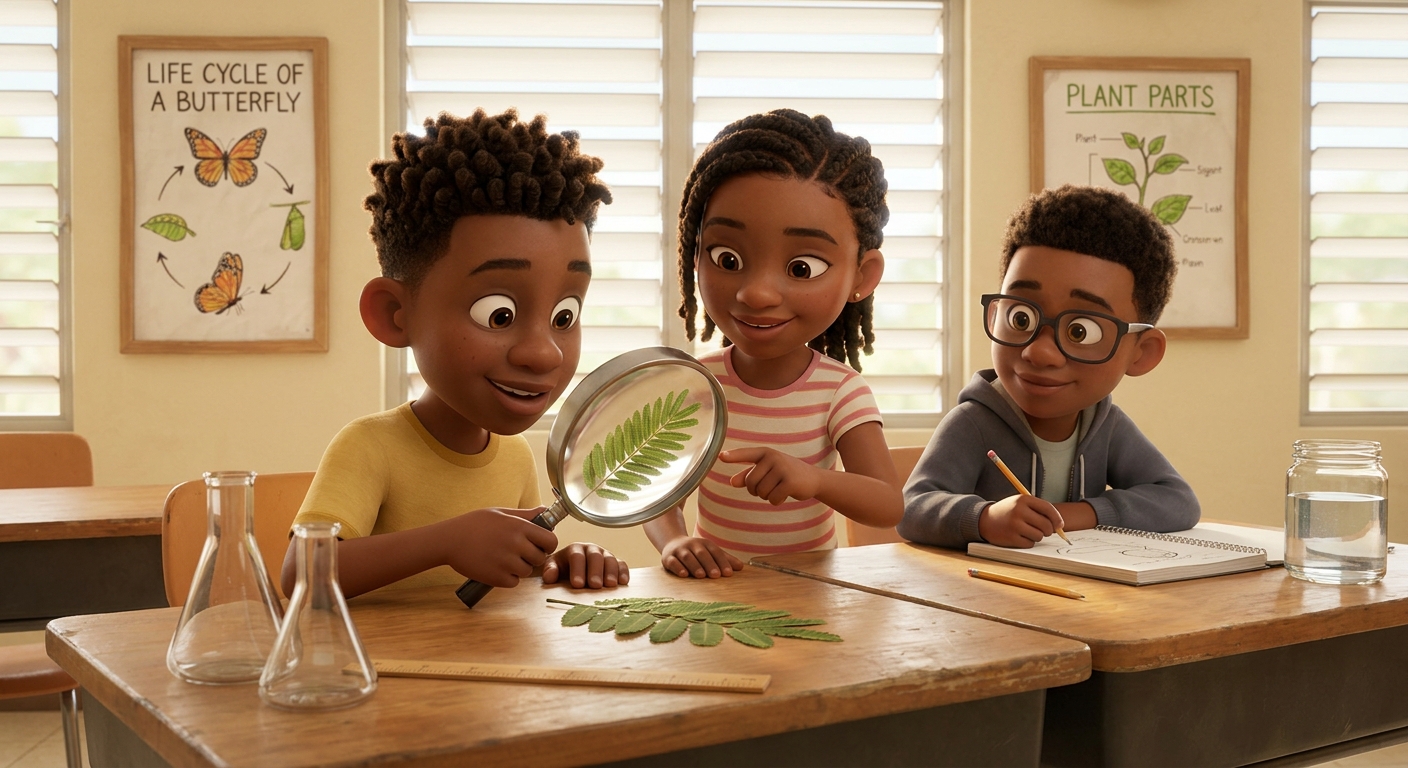
A Grade 5 group examining a magnified leaf during a Natural Sciences inquiry

Natural Sciences

To ask of every plant, animal and circuit: how do you know? Show me.

Method
Inquiry-based + garden lab
Project
Edible Garden science journals
Assessment
Practical + written test
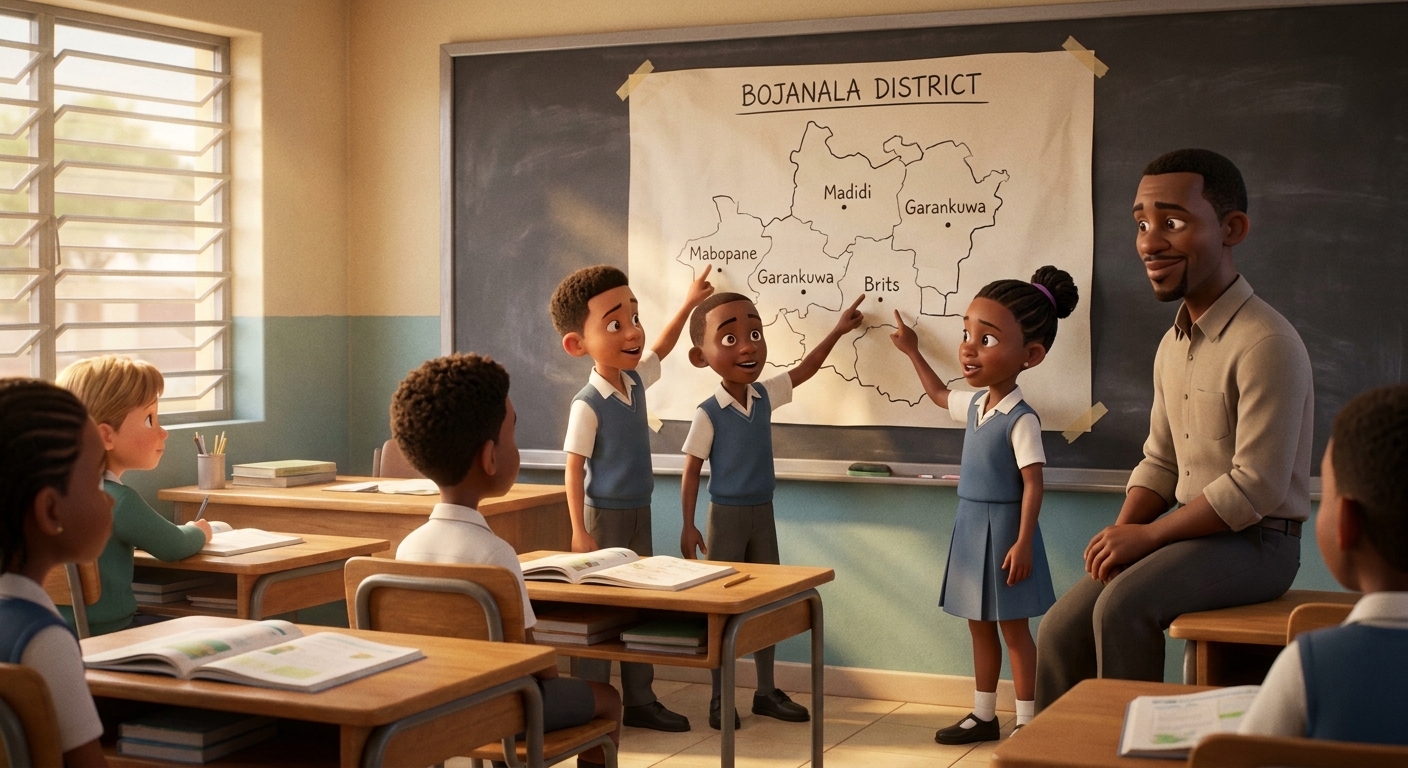
A wall map of Bojanala District labelled by Grade 6 learners during Social Sciences

Social Sciences

To know our township not as a footnote, but as the centre of the map.

Method
Cross-disciplinary + oral history
Project
Grandparents Interview, Term 2
Assessment
Mapping + presentation

Grade R cannot read. Grade 7 must. Everything we do between those two years is the work.

Mrs. T. Mokoena · Head of Foundation Phase

Special Programmes

Seven small programmes — most run by parents and partner NGOs.

We do not pretend to have a robotics lab. We do have a borrowed laptop trolley on Wednesdays, a borrowed piano, and three retired aunties who run the choir. It works.

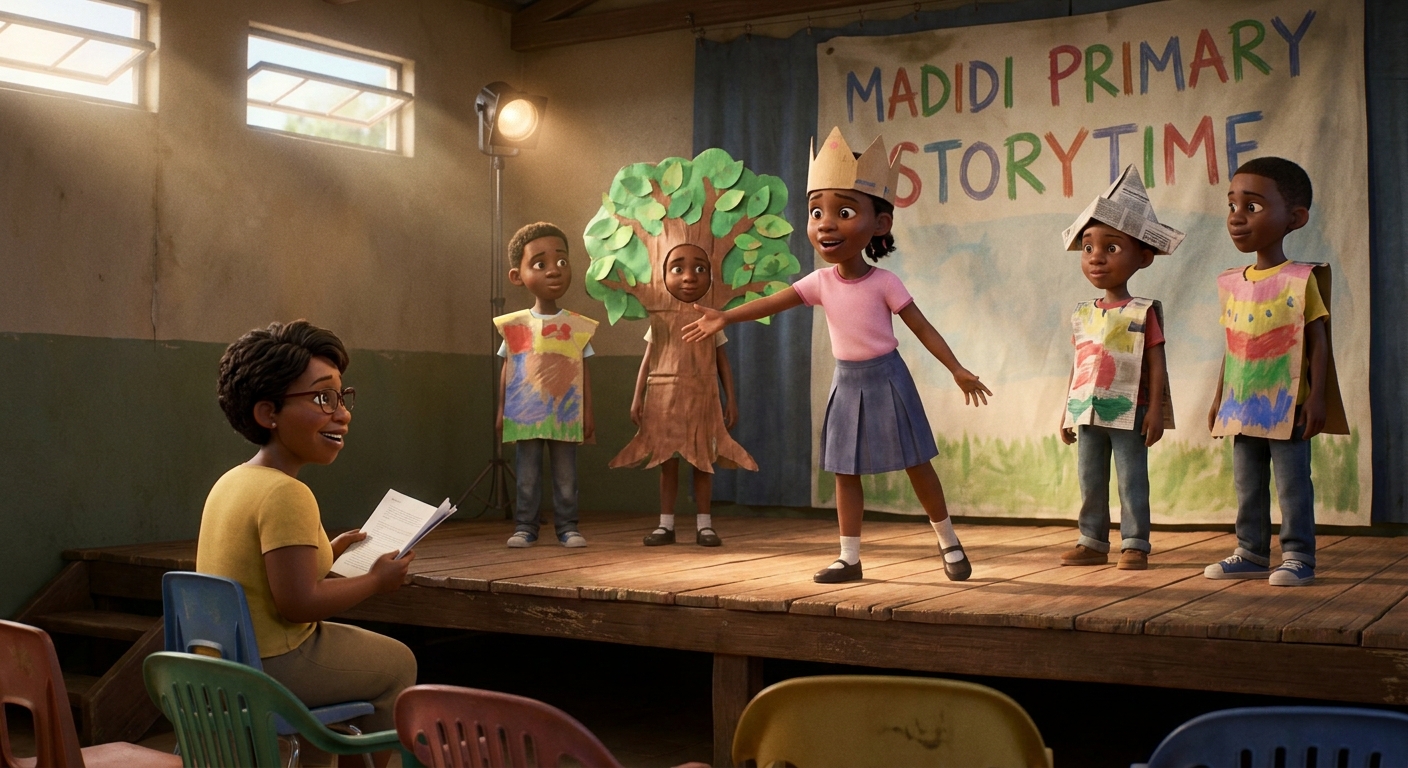
Children rehearsing an English Drama scene in colourful homemade paper costumes on the school stage

English Drama Club

2 hr / weekGr 4–7Mr. Dlamini

Tuesday afternoons in the hall. We rewrite Shakespeare scenes into Setswana-English code-switching, and stage one full play at the end of every term — costumes from old kanga cloth.

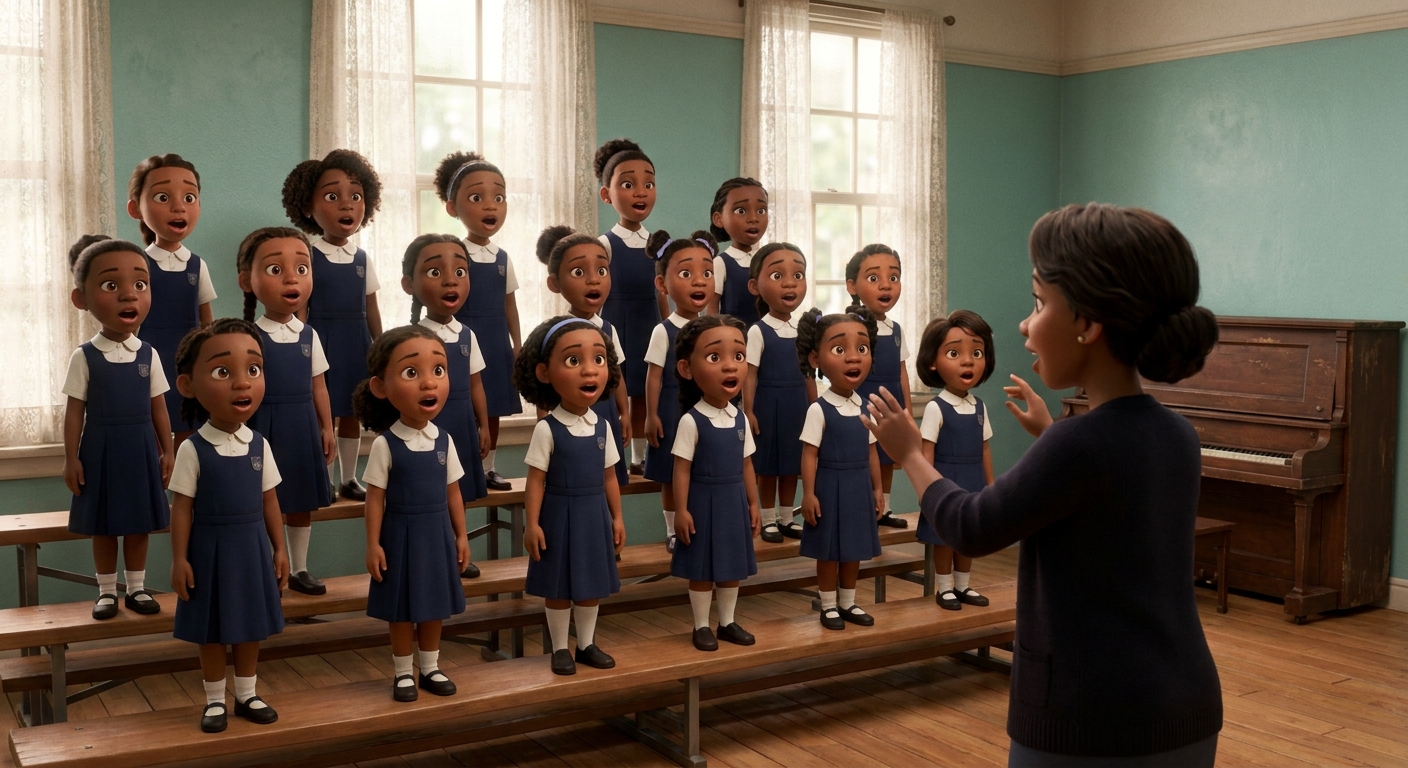
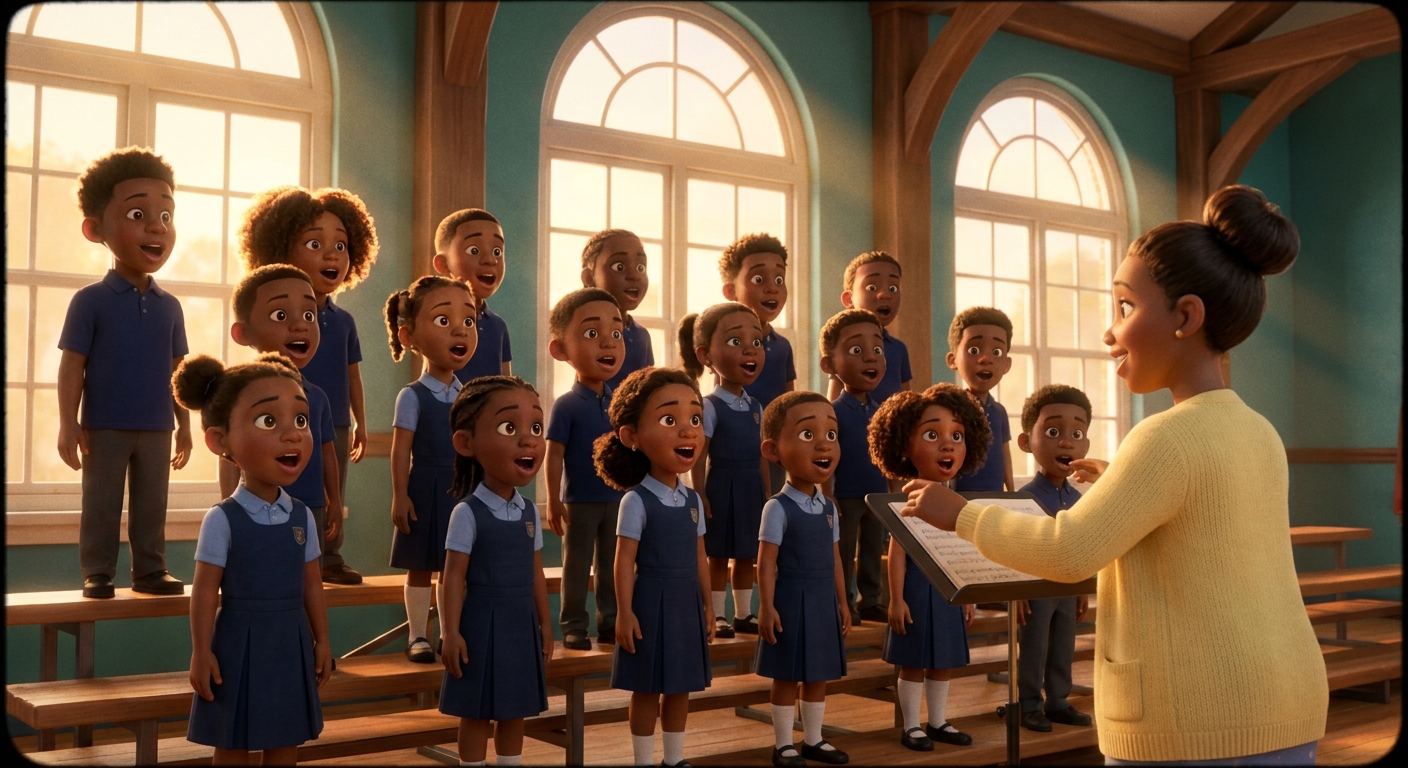
The school choir of mostly Grade 5 and 6 girls in matching navy uniforms rehearsing on tiered benches

Choir & Recorder Ensemble

3 hr / weekGr 3–7Mrs. Sithole

Forty learners, twenty borrowed recorders. Won a silver certificate at the 2024 NW Provincial Eisteddfod and sang at the local clinic's nurses-day breakfast for the third year running.

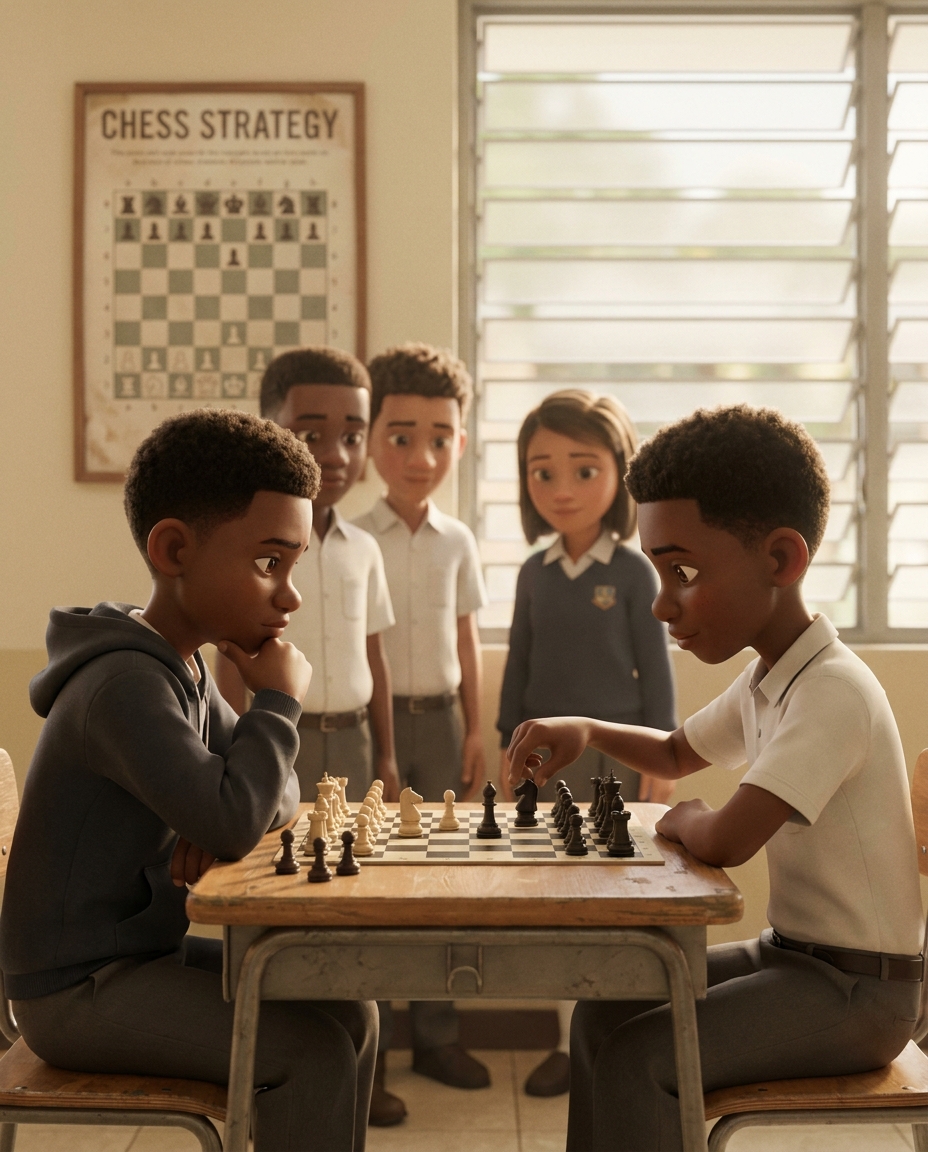
Two Grade 6 boys deep in concentration over a chess board, with classmates watching

Chess & Strategic Thinking

1.5 hr / weekGr 4–7Mr. Sebako

Donated chess sets, played on classroom desks at lunchtime. Two of our learners qualified for the SA Schools Chess regional in 2024.

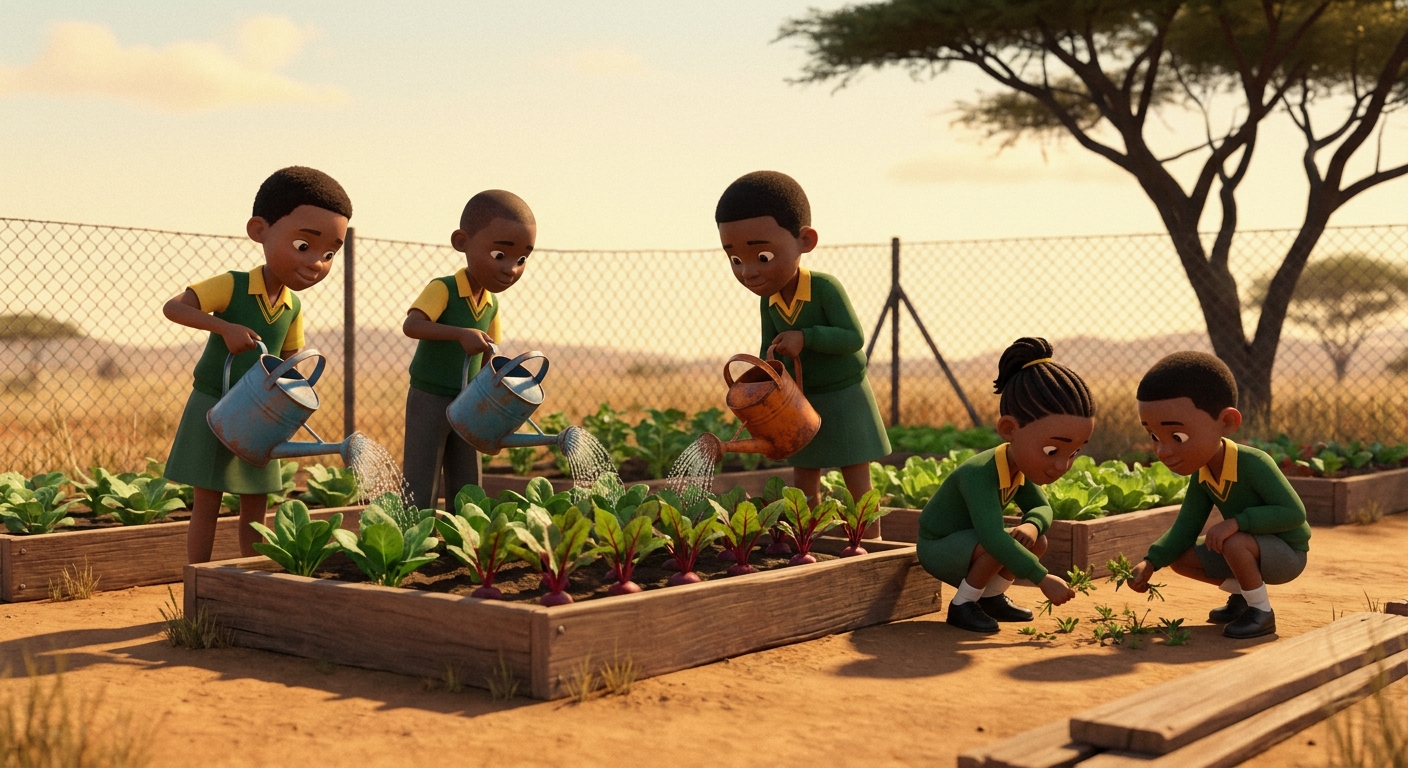
Grade 5 learners in school uniforms watering raised vegetable beds in the edible garden

Edible Garden Stewardship

2 hr / weekGr 5Mrs. Phiri + parents

Spinach, beetroot, Swiss chard and pumpkin. The harvest goes to the NSNP kitchen on Mondays. Grade 5 keeps a science journal of yields and rainfall.

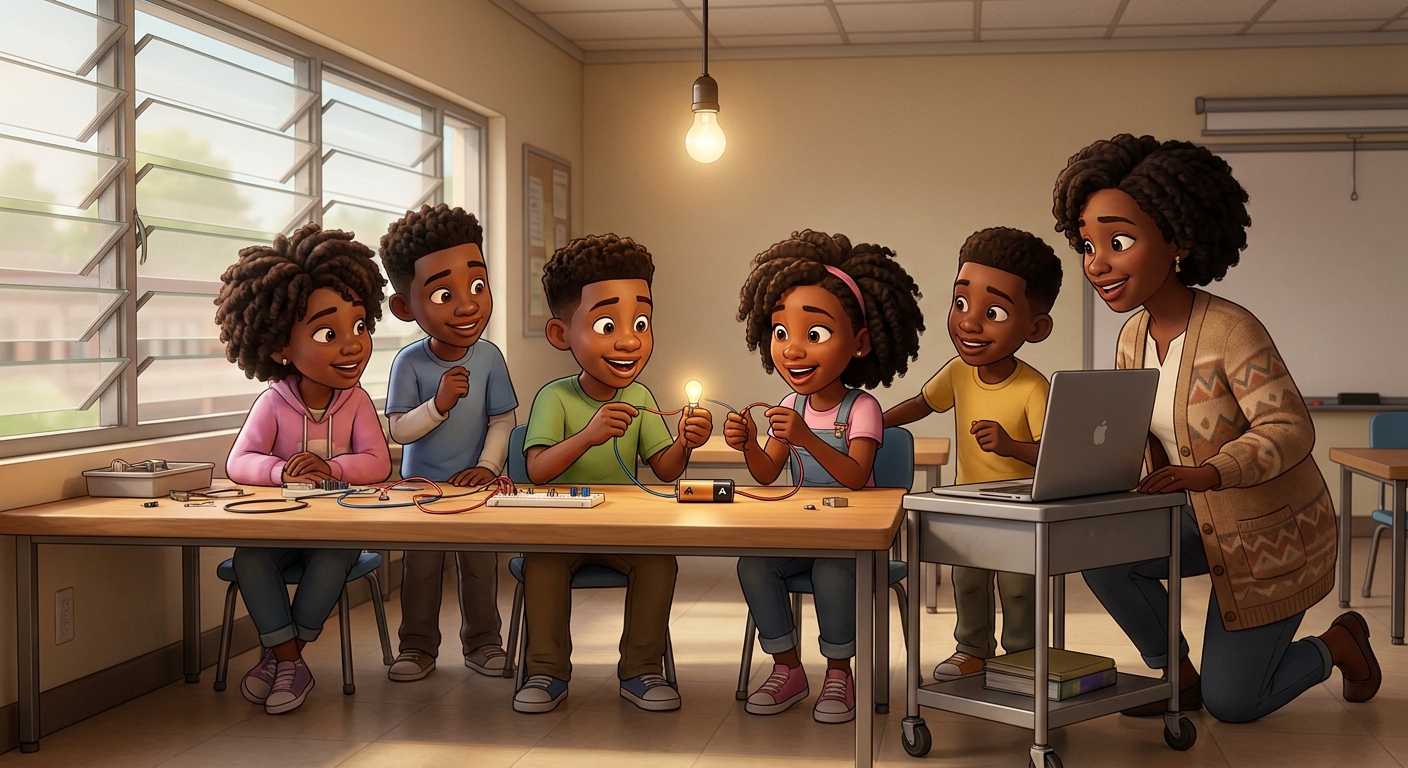
Children gathered around a borrowed laptop trolley building circuits with batteries and small bulbs

Borrowed-Laptop STEAM

2 hr / weekGr 6–7Sci-Bono partner

A Sci-Bono outreach trolley visits every Wednesday with 12 laptops. Learners build simple circuits with batteries and bulbs, and program Scratch animations of local taxi routes.

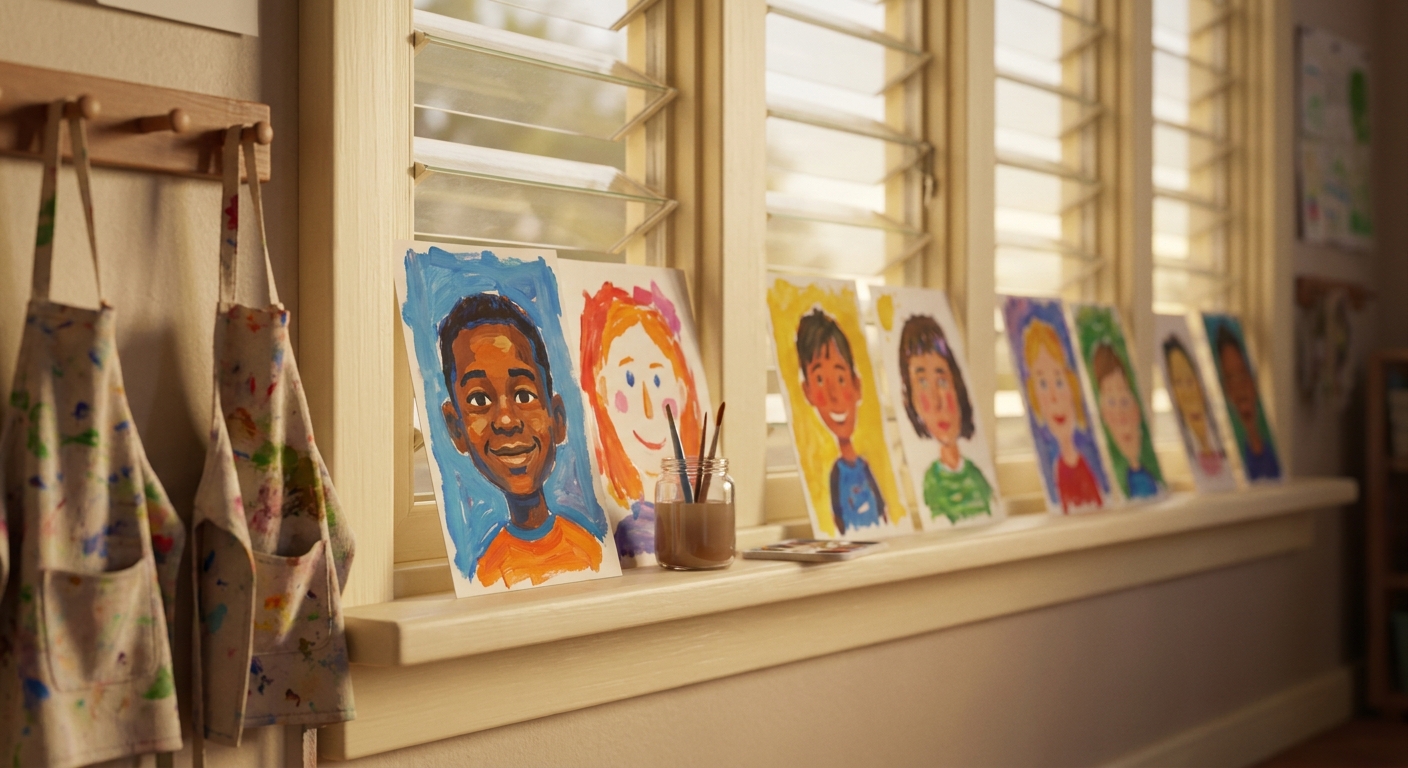
Painted self-portraits drying on classroom windowsills, paint-smeared aprons hanging on hooks

Visual Arts & Calligraphy

2 hr / weekGr 1–7Ms. Letoka

Recycled materials, donated brushes and a wall of self-portraits that the SGB chair refuses to paint over. The Term 4 exhibition is held in the school hall on Heritage Day weekend.

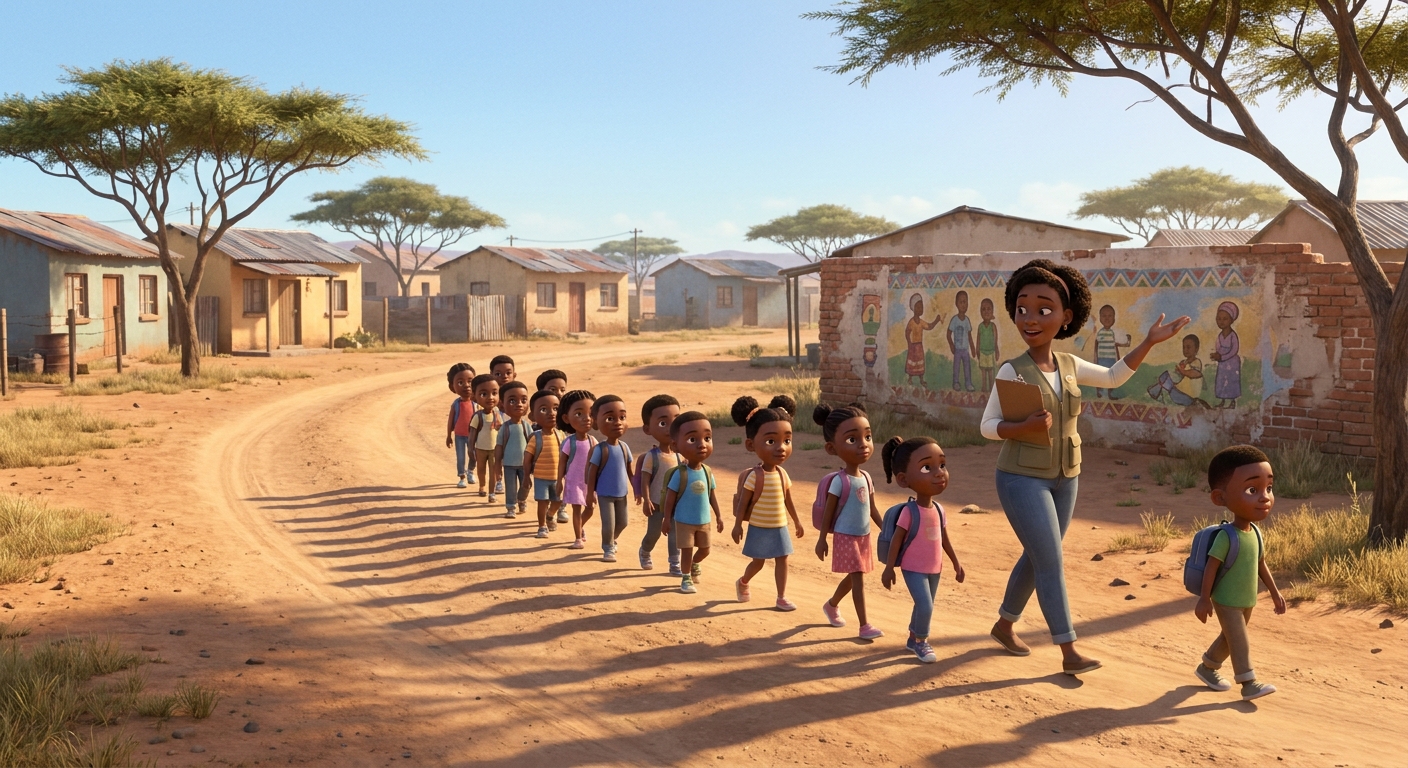
Children walking single-file with backpacks down a dirt track on a community heritage walk

Heritage & Outdoor Walks

QuarterlyGr 4–7Mr. Mahlangu

Once a term we walk to a community elder's home, the local clinic, or the small museum at Mabopane. We sketch, interview, and write a one-page heritage report afterwards.

A Day at Madidi

Seven thirty in the morning to four in the afternoon — at our pace, in our voice.

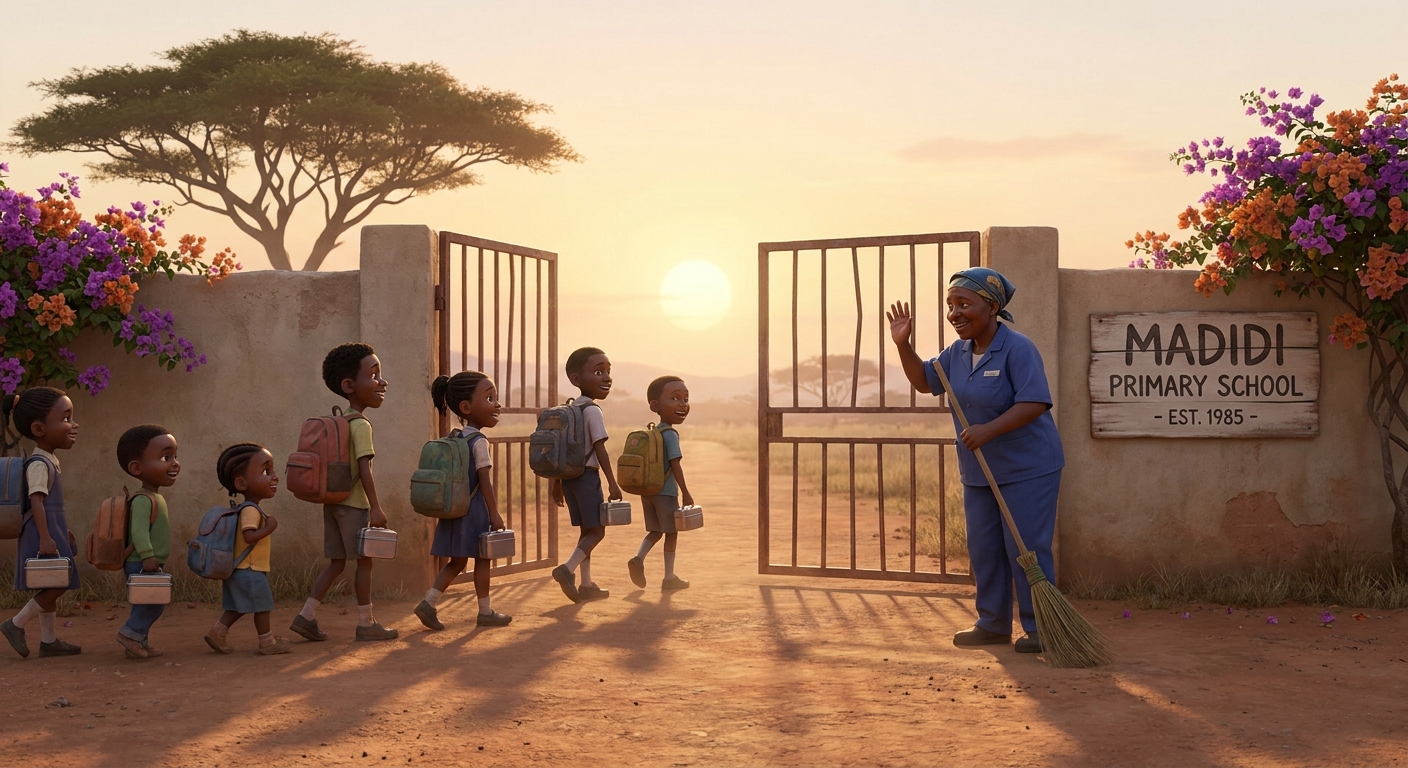
  1. 07:30 Gates open Greeters meet learners; breakfast porridge for those who walk far.
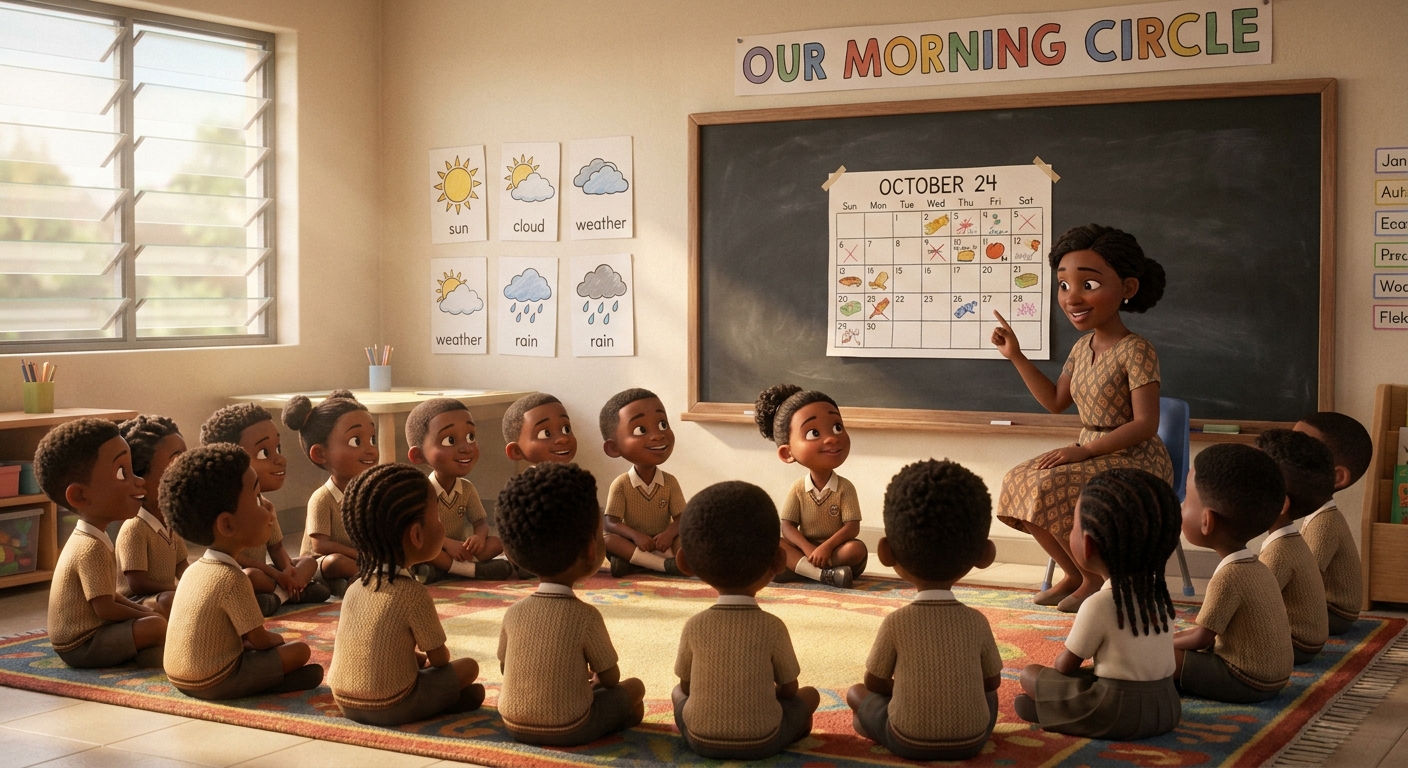
  2. 07:50 Morning circle Class teacher reads attendance, names of the day, weather check.
  3. 08:10 Whole-school assembly Flag, anthem, a one-minute story by the principal, and a cheer.
  4. 08:30 Periods 1–4 Four 45-min lessons; a 15-min outdoor break at 10:00.
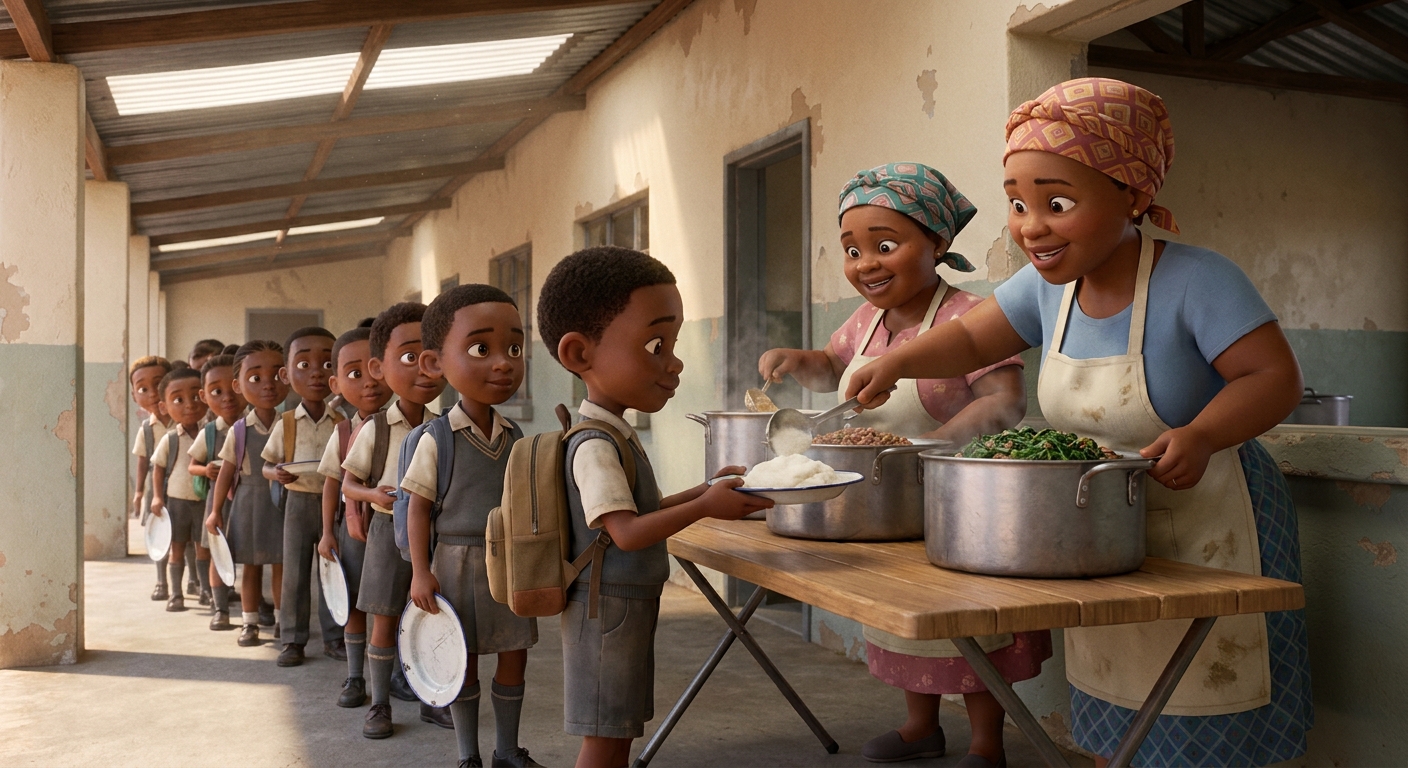
  5. 12:00 NSNP lunch Hot meal in the hall; classroom monitors run the queue.
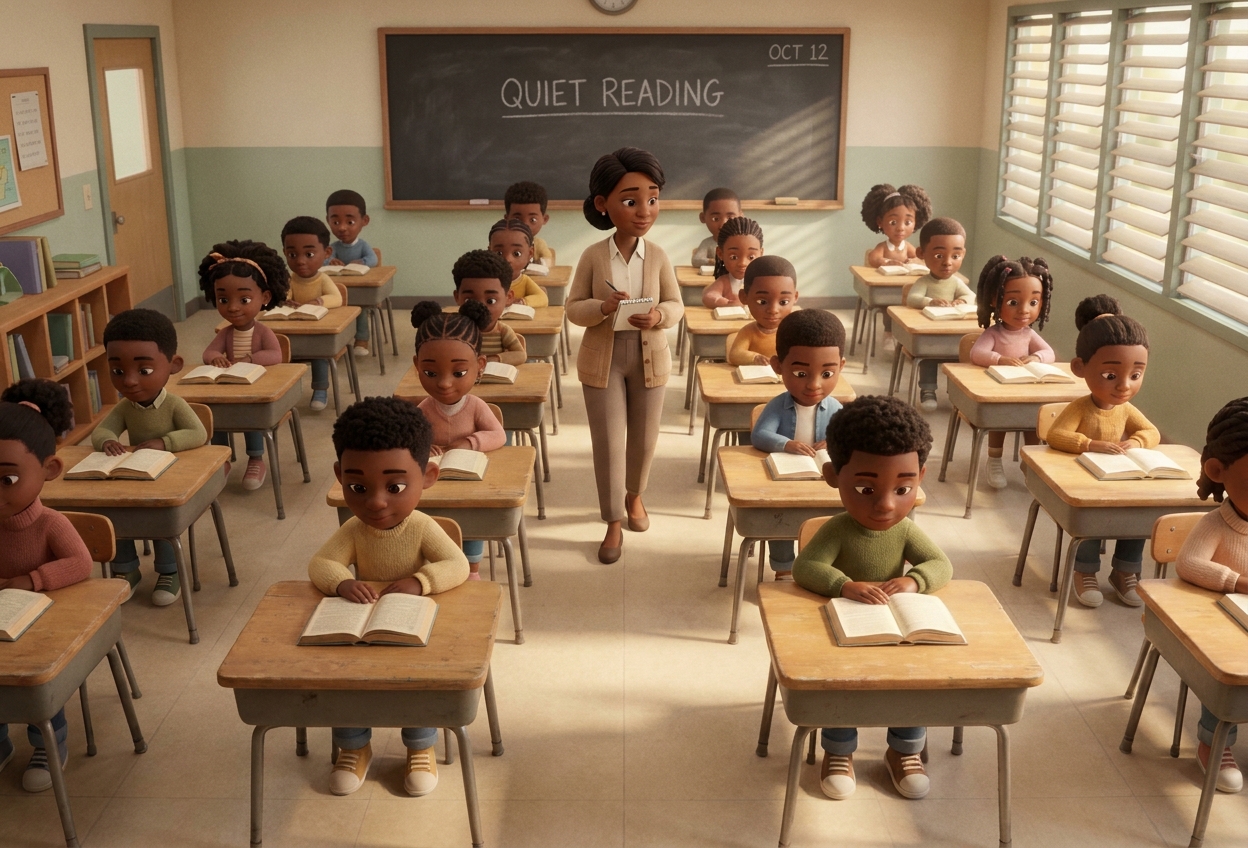
  6. 12:40 Quiet reading Twenty minutes, two languages, every classroom, every day.
  7. 13:00 Periods 5–7 Three afternoon lessons; second short break at 14:30.
  8. 15:00 Enrichment clubs Drama, choir, garden, chess, sport — pick one each term.
  9. 16:00 Dismissal Teacher walks each line to the gate; aftercare on Tuesdays.
Children walking through the school gate at sunrise with backpacks and lunch tins
A morning circle in a Foundation Phase classroom, learners on a carpet looking at the calendar
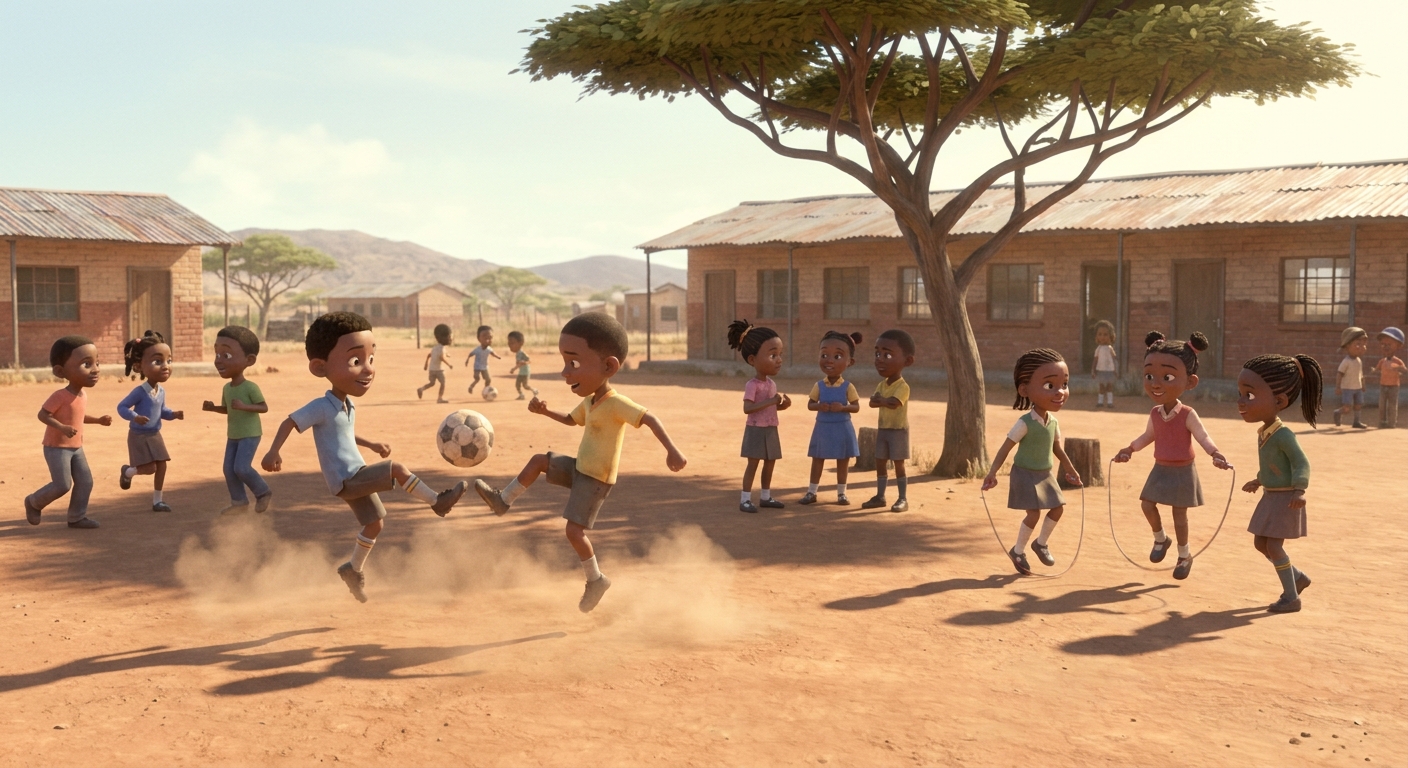
Children running across the dusty playground during the 10:00 break
The NSNP lunch queue at noon, hot food being scooped onto enamel plates
A Grade 4 quiet reading session, twenty minutes, books open on every desk
The choir practicing on tiered benches in the afternoon golden light